Published March 2024
The electric vehicle (EV) landscape is witnessing a profound transformation, underscored by the intensifying rivalry among its leading contenders. The narrative has often centered on the price skirmishes purportedly instigated by Tesla, which now seem to encapsulate the sector at large. Yet, scant attention has been directed towards a formidable competitor whose strategy in the EV arena has remained enigmatic until recently.
[img:1:full:]
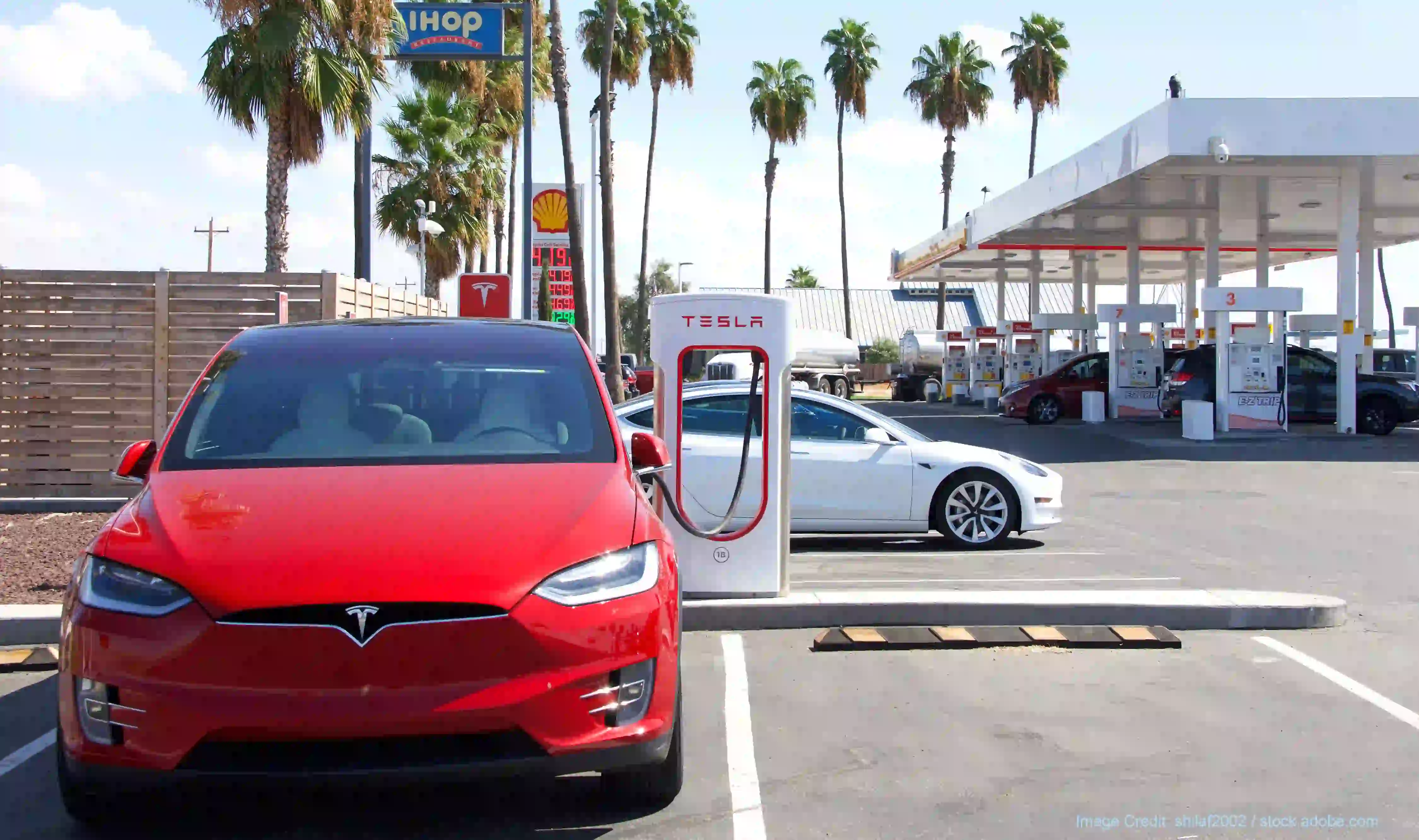
As Tesla embarked on constructing its Berlin Gigafactory, the skeptics began to acknowledge its burgeoning influence. Despite persistent speculation by short sellers about its potential downfall, Tesla, alongside its rival BYD—then primarily an internal combustion engine (ICE) manufacturer—was laying the groundwork for a seismic shift in the automotive industry. Tesla's strategic expansion across four gigafactories and its achievement of nearly 2 million car deliveries in 2023 underscore this shift. Simultaneously, BYD's trajectory suggests it might have eclipsed Tesla's delivery rate. Amidst this evolution, the industry bifurcates: dedicated EV producers, traditional ICE manufacturers pivoting towards electric, and entities betting on a hybrid future. This diversification hints at a multi-faceted mobility landscape over the coming decade, raising questions about the post-transitional phase.
Tesla's aggressive pricing adjustments, particularly in China and the US, caught its competitors off-guard. This strategy pressured the entire sector, reducing margins and exacerbating financial strains for those already in precarious positions. The persistent price competition initiated by Tesla has cast a shadow over the industry's financial health, indicating a turbulent path ahead.
The clash between Tesla and Toyota in Australia epitomizes the growing discord over mobility's future. The Federal Chamber of Automotive Industries (FCAI) became the battleground for this ideological conflict, culminating in Tesla's departure from the group. This incident, while resolving an immediate dispute, leaves underlying tensions simmering, likely to resurface as the debate over the automotive industry's direction persists.
The price war, already simmering, is poised to escalate dramatically. With EV production costs declining, leaders like Tesla and BYD are equipped to sustain lower margins, challenging traditional ICE manufacturers led by Toyota. This confrontation is expected to lead to a competitive race to the bottom, with Toyota potentially fortifying its position in the Global South, while Tesla and BYD vie for dominance in the Global North and wealthier regions of Asia, Australasia, and possibly the Middle East.
The aftermath of this conflict may see casualties on both sides of the EV and ICE divide, leading to a market contraction and reduced consumer choices. However, this phase is likely to culminate in a rapid price correction by the prevailing technology, be it EV or ICE, aiming to recuperate losses. This scenario sketches a challenging journey ahead for consumers, navigating a battleground where the future of automotive dominance is fiercely contested. In conclusion, the ongoing and future confrontations in the EV market are more than mere corporate rivalries; they are a reflection of the broader struggle to define the trajectory of global mobility. As these battles unfold, the automotive landscape is set for a period of significant upheaval, ultimately reshaping how we think about transportation and its impact on the environment and society.